Genome organization and evolution
Investigating how grass genomes change over time and how structural differences shape genes, chromosomes, and species diversity.

Grass genetics and comparative genomics
We study how grass genomes are organized, how they evolve, and how genetic variation shapes traits important to crops and ecosystems.
Finger millet, switchgrass, and sorghum | Devos Lab, University of Georgia
01 / Our program
From sequence variation to plant performance, our work connects genome biology with the challenges facing food, forage, and bioenergy grasses.
Research
We combine genetic, genomic, and comparative approaches to understand genome structure and function across diverse grass species.
Investigating how grass genomes change over time and how structural differences shape genes, chromosomes, and species diversity.
Connecting natural and breeding variation with agronomic traits, environmental responses, and resilience across populations.
Using relationships among crop and model genomes to transfer biological insight across switchgrass, wheat, millets, and related grasses.
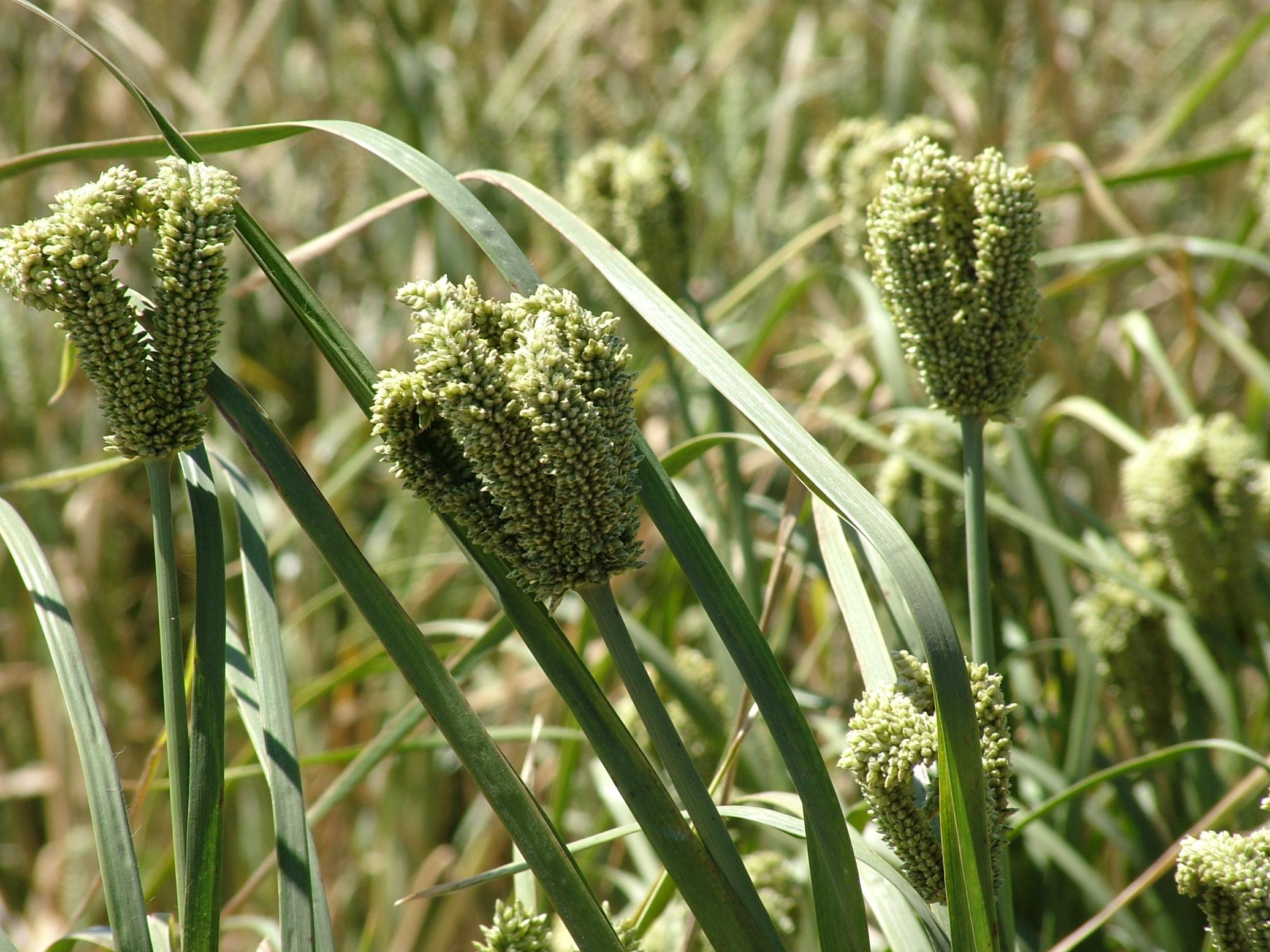
Across scales
Our research moves between plant populations, controlled experiments, and genomic data. This integrated view helps reveal how grass species evolved and how useful diversity can support future agriculture.
View the official UGA faculty profile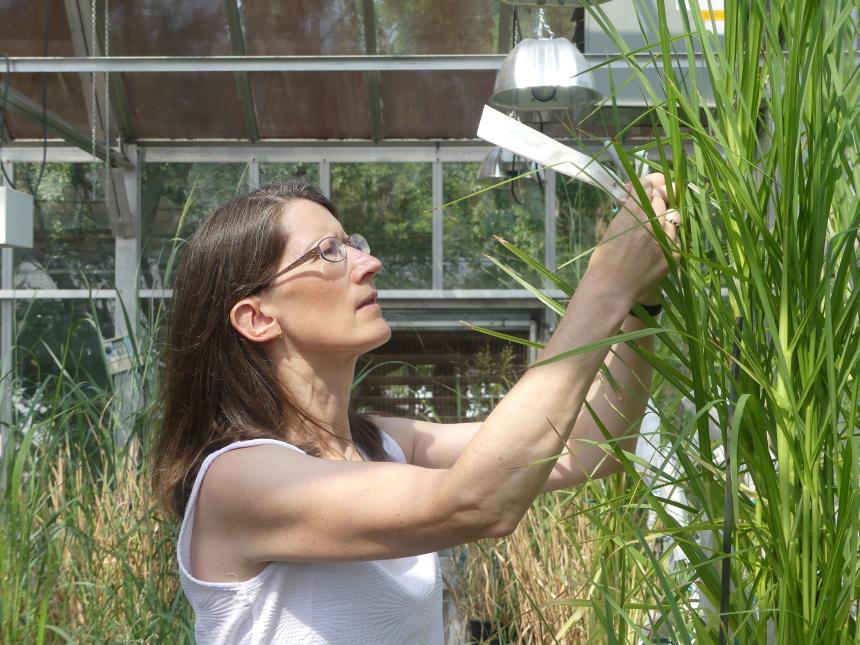 Photo courtesy of UGA Plant Biology
Lab leadership
Distinguished Research Professor
Dr. Devos leads a research program focused on grass genetics, comparative genomics, trait analysis, and genome evolution. Her appointments connect Plant Biology, Crop and Soil Sciences, and the Institute of Plant Breeding, Genetics and Genomics at the University of Georgia.
Contact
Devos Lab
Miller Plant Sciences
University of Georgia
Athens, GA 30602